
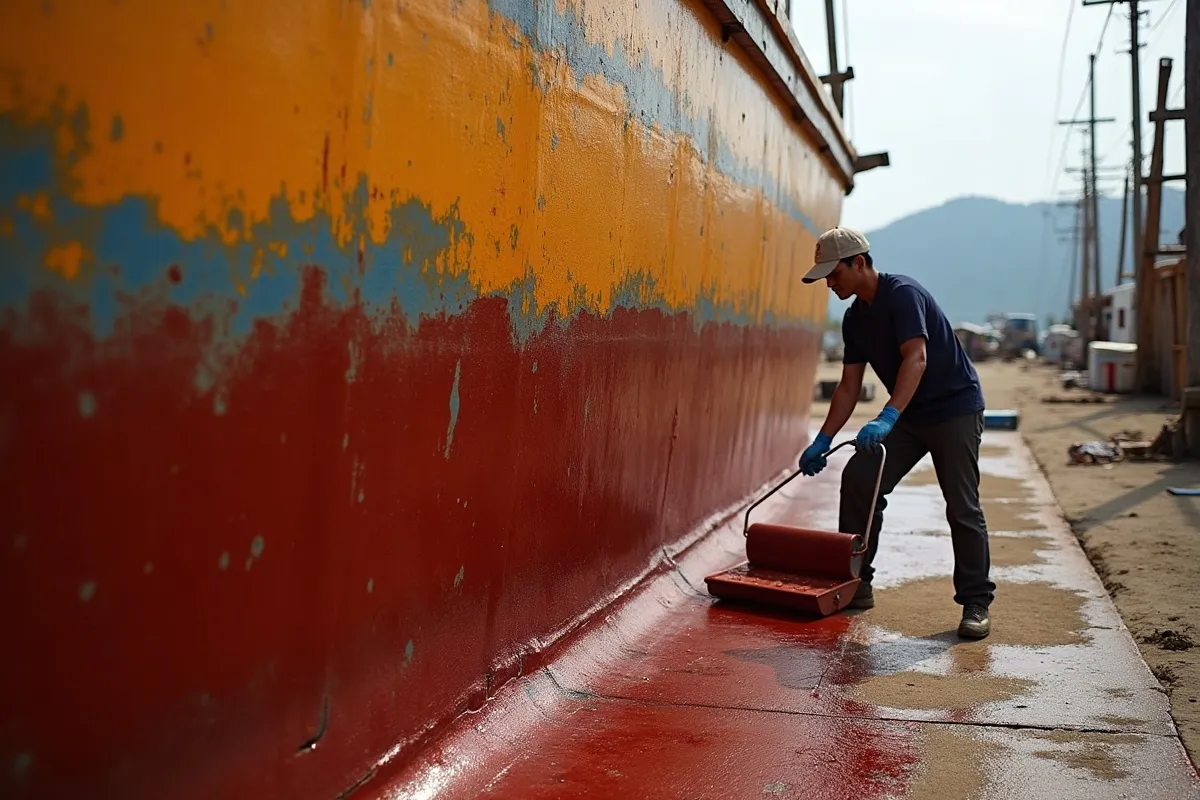
Fouling is the quietest tax in the charter business. A slimed hull burns more fuel every mile, a barnacled one steals a knot or more of speed, and a blocked intake overheats an engine on the worst possible day. For fleets based around Komodo National Park, the question is not whether to antifoul but how often, with which system, and how to schedule it so the boat never misses peak season. This article lays out the schedule logic we use across the local fleet.
Why Komodo Waters Grow Fouling So Fast
Three local facts drive the schedule. The water is warm year-round, so growth never pauses the way it does in temperate ports. The channels between the islands move nutrient-rich water constantly — the same upwellings that feed the famous marine life feed the barnacles on your hull. And park-based boats spend long hours on moorings between guest trips, and stationary hulls foul faster than moving ones. Put together, a coating that lasts two years in a quieter cruising ground is realistically a 10–14 month proposition here, and pushing it further shows up in the fuel log first.
Choosing the Right System for the Duty
Antifouling choice follows how the boat actually works. Self-polishing copolymer systems suit vessels that move most days — the paint wears cleanly and refreshes its surface with use. Harder coatings tolerate mooring time and the occasional scrub without stripping. Speedboats that ferry guests daily have different needs from a phinisi that anchors for days between trips, and underwater metals need their own compatible primers to avoid galvanic trouble. We keep it honest: the yard specifies from what is genuinely available in Indonesia through the parts chain, not from a catalogue that takes months to arrive. The wider coating conversation — primers, barrier coats, topsides — is covered in our marine coatings guide.
The Annual Slip, Planned Backwards from Season
The efficient pattern is one scheduled slipway visit per year in the vessel’s low season, planned backwards from the charter calendar: pick the return-to-service date, subtract the lay days, land on the spring-tide window that fits. The antifoul visit then carries the rest of the annual list with it — anodes, hull inspection, seacock service, stern gear checks — so the haul-out cost is amortised across everything that needs the boat ashore. Fleet operators with several hulls stagger their slots through the wet months; the yards fill up precisely because everyone’s low season is the same.
Mid-Cycle: Divers, Scrubs and Intakes
Between slips, a diver check at five to seven months keeps the schedule honest. The diver photographs the hull, clears intakes and strainer grilles, changes shaft anodes if needed and reports growth stage. A light slime is normal and polishes off; hard growth arriving early is a signal to bring the next slip forward rather than scrub aggressively — heavy in-water scrubbing shortens coating life and simply moves the cost around. The photographs also build the vessel’s condition record, which pays off at survey time and at resale.
What the Numbers Look Like
Indicative USD figures for Labuan Bajo, confirmed by quotation: coating labour and materials USD 15–35 per square metre depending on system and coats; haul-out and relaunch USD 1,500–4,000 by tonnage; hardstand days USD 40–150. A mid-size charter phinisi’s annual antifoul visit, all in, commonly lands in four figures — against which the fuel saved by a clean hull over a season is real money, not a rounding error. Vessels beyond local slipway capacity are routed to larger yards on the same schedule logic, with the lift itself following our haul-out and relaunch process. Wooden-fleet specifics — scraping back, seam checks under the paint — are covered in the phinisi shipyard guide.
Frequently Asked Questions
How often should a Komodo-based boat be antifouled?
Every 10–14 months in normal park service. Warm water, nutrient flow and mooring time make two-year cycles unrealistic here; the fuel log and a mid-cycle diver report will tell you if your boat needs the shorter end of the band.
Can I just have divers scrub the hull instead of slipping?
Diver cleans are useful for slime and intakes at mid-cycle, but they do not renew the coating, and aggressive scrubbing wears it out faster. Once hard growth is established, the boat is telling you it wants the slipway.
Which antifouling paint is best for a charter boat here?
The one matched to your duty cycle and actually available in Indonesia: self-polishing systems for boats that move daily, harder coatings for mooring-heavy schedules. We specify per vessel at inspection rather than selling one brand for everything.
How many lay days does an antifoul visit take?
Typically five to ten days: haul and wash, dry, prepare and mask, two to three coats with cure time between, anodes and checks, then relaunch on a suitable tide. Weather and any surprises found under the old paint set the variance — see the haul-out guide for how the window is planned.
To lock in your fleet’s antifouling slots for the coming low season, message WhatsApp +62 811 3941 4563 or email bd@juaraholding.com with vessel sizes and preferred months — or use our contact page. Visiting yachts can see the full work scope at yacht shipyard services.