
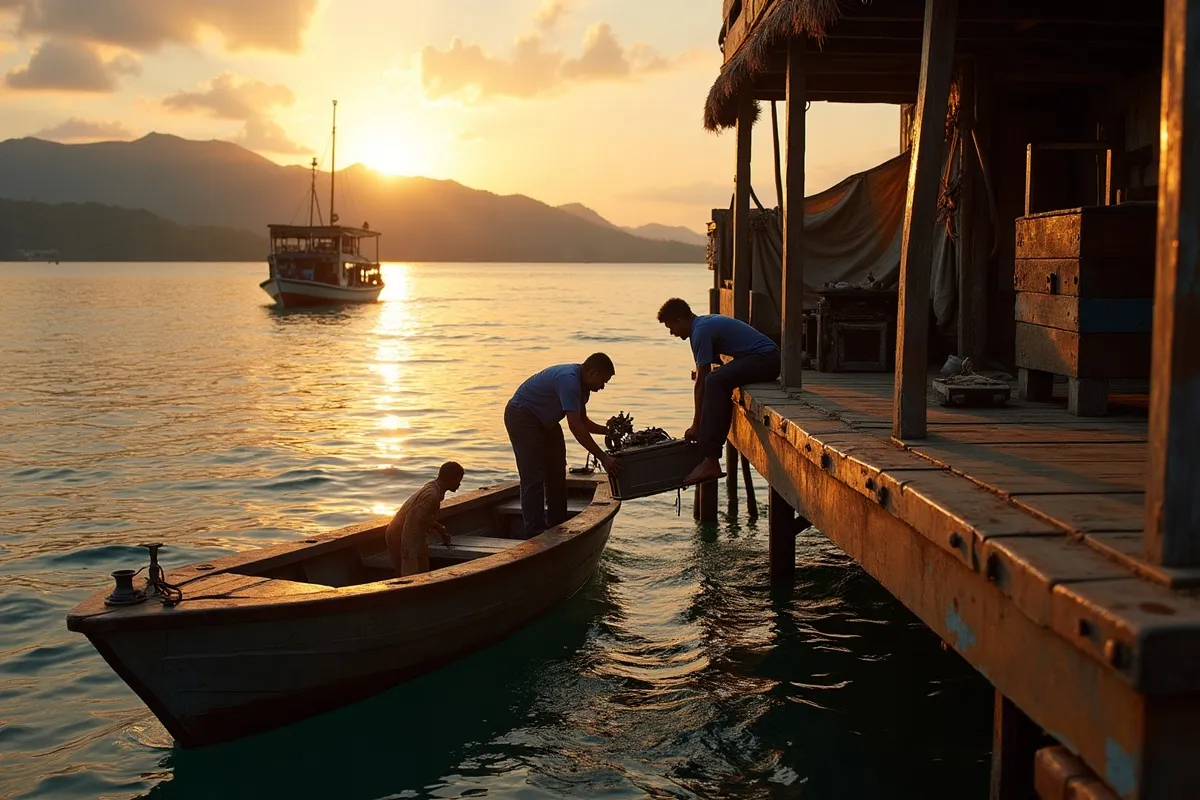
Komodo National Park is a spectacular place to operate a boat and an unforgiving place to break down. Anchorages are remote, currents in the channels are fierce, and the nearest full workshop is back in Labuan Bajo. This article sets out how emergency repairs actually work here — what to send in the first message, what the call-out boat carries, which failures can be fixed on the water and which ones end at the slipway.
The First Message: What We Need to Know
A good first message shortens every hour that follows. Send five things: your position or anchorage name, vessel name and type, persons aboard, what failed and what you have already tried. A photo or short video of the gauge, the leak or the damage is worth more than a paragraph. With that, our desk decides who goes out — a diesel mechanic, an electrician, a shipwright — and what rides with them. Guesswork on the phone is how call-outs go wrong; a clear message is how a fix happens on the first trip.
What the Call-Out Boat Carries
The response speedboat is loaded for the likely failure, not for everything. For engine cases: filters, belts, impellers, jump packs and common injector spares, backed by our notes on diesel engine repair. For flooding: portable pumps, soft wood plugs, underwater epoxy and collision mats. For electrical blackouts: a marine electrician with meters and a spares box of breakers, relays and terminals. For fuel problems — the most common charter-season call — polishing gear and filtration spares as covered in fuel system repair. Parts we do not stock are chased through spare parts sourcing while the boat is still out.
Deciding Between an On-Water Fix and Bringing Her In
Roughly two thirds of call-outs end on the water: a changed impeller, a bled fuel system, a re-terminated battery bank, a temporary shaft-gland packing. The judgement call is about risk, not pride. If the vessel can make Labuan Bajo under her own power with the fault stabilised, she usually should; if steering, flooding or fire risk is involved, we organise a tow and escort instead. Hull damage below the waterline is almost always a yard job — a patched leak gets a vessel home, and then the hull inspection on the hardstand tells the real story. Groundings and strandings escalate to our salvage and refloat procedure.
What an Emergency Call-Out Costs
Owners understandably ask for numbers before the speedboat leaves. Indicatively, in USD: mobilisation within the park typically runs USD 250–600 depending on distance and hour, plus technician time and parts at quoted rates; tows are scoped by distance and conditions before departure. We confirm the mobilisation figure in writing on WhatsApp before the boat casts off, and everything after that is itemised. For major casualties needing shipyard-scale response beyond Flores, we escalate through the boat repair network at Komodo Luxury and its partner yards.
After the Emergency: Closing It Out Properly
An emergency fix is a bridge, not a repair. Every call-out ends with a written follow-up list: the permanent parts to fit, the seam or laminate to open and close correctly at the next slip, the survey attendance if an insurer is involved through survey support. Charter operators in particular benefit from folding these items into their next scheduled lay period — see our phinisi shipyard guide for how wooden-fleet work is sequenced, and the yacht shipyard services page for visiting vessels. A breakdown handled well should leave the boat better documented than before it happened.
Frequently Asked Questions
How fast can a technician reach a vessel in Komodo National Park?
From Labuan Bajo, most park anchorages are 45 minutes to 2.5 hours by speedboat depending on position and sea state. Dispatch is coordinated 08:00–20:00 WITA daily; night responses are arranged case by case for safety-critical situations.
What is the most common emergency you attend?
Fuel-related engine stoppages lead the list — blocked filters and dirty tanks strand more boats here than any other cause — followed by cooling-water failures, flat battery banks and fouled propellers picked up near mooring lines.
Can you tow a disabled boat back to Labuan Bajo?
Yes. We arrange tows sized to the casualty, from speedboat assists for small craft to coordinating proper tugs for larger hulls. The tow plan, escort and cost are agreed in writing before departure whenever conditions allow.
Should I attempt my own repair before calling?
Safe checks are worth doing: filters, belts, raw-water strainer, battery switches. Beyond that, photograph what you see and call. Half-stripped machinery on a moving deck usually adds hours to the professional fix that follows.
Save the number before you need it: WhatsApp +62 811 3941 4563, or email bd@juaraholding.com — and for non-urgent work requests use our contact page. Response hours are 08:00–20:00 WITA, every day of the season.